
Sometimes you are in need of money when you do not have enough savings to spend. Perhaps you need money for house renovations, marriage, or to consolidate debts. You head to the bank to apply for a personal loan, only to discover how everything becomes dependent on those three figures of your credit rating. Understanding good credit score required for personal loan will help you know where you currently stand. The fact is more straightforward than you imagine. Your credit score is simply a number that lets banks know if you’ll repay them. The great part? You don’t need to have the highest score.
What most people don’t realize is that banks don’t care about your rating. You assume that you require an 800, but some will offer you a loan at 650. There are others who wouldn’t even think about lending you money if your score is less than 700. The difference between these scores results in several thousands high interest payments.
Table of Contents
ToggleHow Much Credit Score Do You Need for Personal Loan?
Each financial institution considers different score ranges. There are two major scoring models used for evaluating credit score ranges, which range between 300 and 900. Your position within the specified range will inform lenders of your repayment capacity.
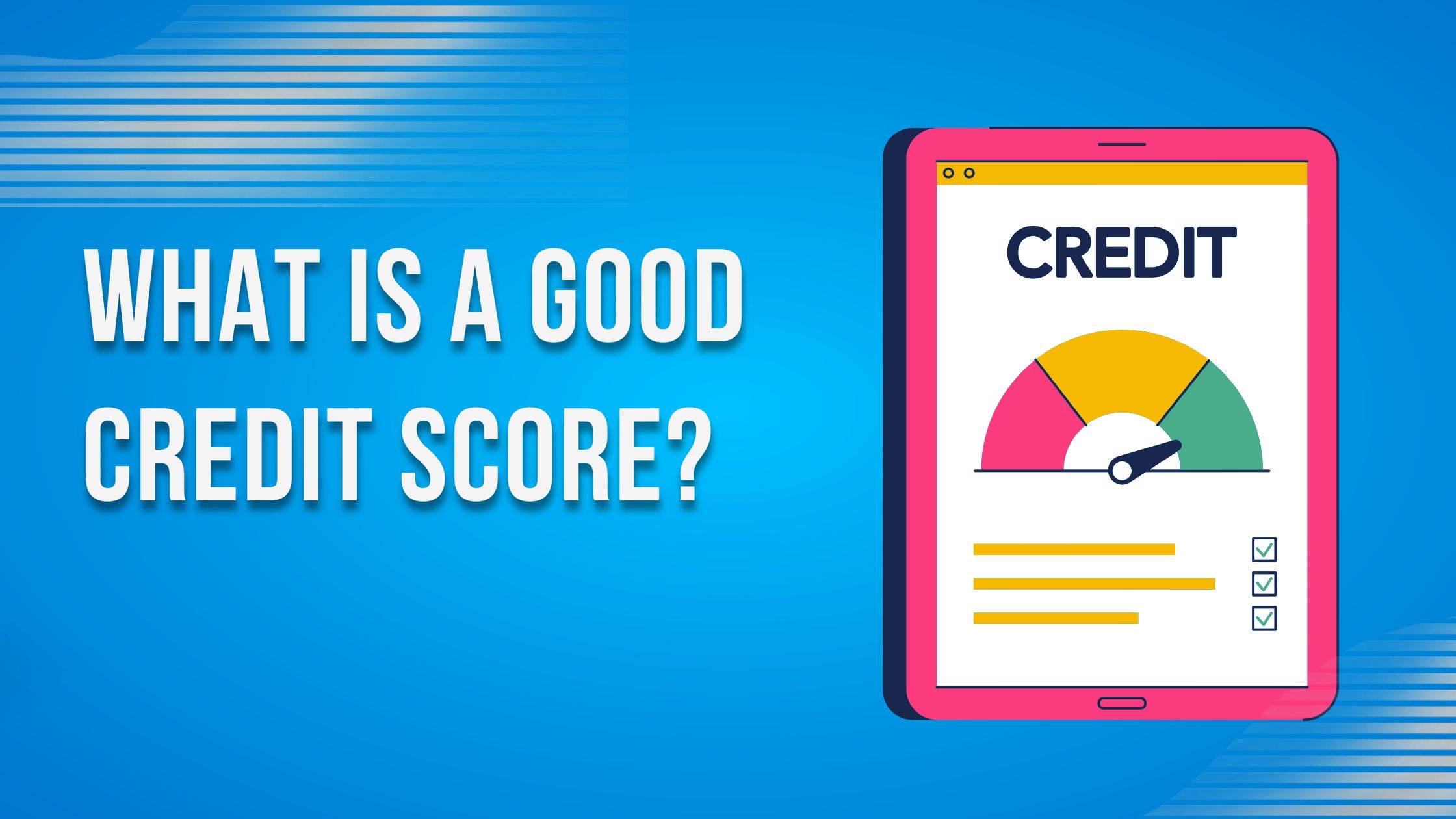
The following is a classification of scores based on ranges. Poor scores range below 580, while fair scores are above 580 but below 669. Good scores are above 670 but below 739, while very good scores range between 740 and 799. Excellent scores range above 800.
Why are these scores important? Each range informs the level of risk that you pose to the lending agency. A person with a 650 score is riskier compared to an individual with a 750 score. This is relevant in determining your loan eligibility and interest rates.
Personal Loan Credit Score Guide
Below 650, things get difficult. You might still get approved, but interest rates get higher. Here’s how you can understand what is a good credit score for a personal loan:
1. Fair: 620-649 – Credit union and online lenders may offer approval. Expect interest rates that are much higher than normal. The amount of the loan might be small or need a co-signer.
2. Good: 650-699 – Traditional banks and credit unions can approve loans easily in this range. The interest rate is now fair and competitive. You will find multiple lenders to choose from for comparison.
3. Very Good: 700-749 – Borrowers in this range qualify for competitive interest rates. Lenders will fight for your business by offering attractive terms and higher loan amounts.
4. Excellent: 750-799 – Premium interest rates and terms apply for borrowers in this range. You will get maximum flexibility on loan amounts and repayment periods.
5. Outstanding: 800+ – This range qualifies borrowers for the best interest rates and terms offered by lenders. Pre-approvals are made without inquiries, and loan amounts are maximized.
Credit Score Benchmarks by Lender Type
Different lenders have different standards. Understanding these variations helps you target the right institutions.
Lender Type | Minimum Score | Preferred Score | Interest Rate Range |
Traditional Banks | 650-680 | 750+ | 6-10% |
Credit Unions | 620-650 | 700+ | 5-9% |
Online Lenders | 580-620 | 680+ | 8-13% |
Peer-to-Peer Lending | 600-640 | 720+ | 7-12% |
Bad Credit Specialists | 300-580 | 580+ | 15-36% |
Top 5 Steps to Improve Credit Score
Follow the steps below:
Step 1: If your current score is less than 650, there is a possibility that applying at this stage will not do you any good; hard inquiries from loans can temporarily reduce your score, while being declined reduces your credit score.
Step 2: First, request a free credit report and make sure that there are no errors in it. Any mistakes in your report can be disputed and corrected very quickly.
Step 3: Payment history accounts for 35 percent of your score, which makes it the most important factor in personal loan for good credit score. You should set up automatic payments on all accounts for the minimum amount required.
Step 4: Pay off your credit card debt. Credit utilization is considered high when it exceeds 30 percent of your credit limit; it shows lenders that you are struggling financially.
Step 5: Remember that these changes require time; give yourself 3-6 months to improve your score, especially if it is between 580 and 620.
When to Apply for a Personal Loan Based on Your Credit Score?
After you’ve made improvements in a personal loan for good credit score, give your score time to reflect them. New positive information takes 30-45 days to show up in your score. Avoid applying right after hard inquiries for other loans or credit cards. Space them out if possible.
1. Optimal Timing
- Wait for Score Improvement: Give yourself between 30 and 45 days for score improvements to reflect. Submitting applications too quickly will diminish chances for approval.
- Shopping Period: Credit inquiries made within 14 days of each other are considered a single inquiry when comparing interest rates.
2. Application Cooling Period
- Effects of Multiple Applications: Each credit application outside of the 14-day period lowers your score individually, either by five or ten points. Space out important credit applications by at least 30 days.
- Expiring Hard Inquiries: Hard inquiries remain on your credit report for 12 months but cease to affect your score after around six months.
Conclusion
An 800 credit score is not necessary when applying for a personal loan. Even a score of 750 is not required to secure a personal loan. Scores between 650 and 720 are very strong scores and will open all the doors for you. With such scores, you will be approved for a loan. Once your score exceeds 650, it means you have good credit score for personal loan application. It is best to work towards building up this score if your credit score is below 650. Refrain from applying before your score reaches this level.
FAQs
Q1: What's the minimum credit score to get a personal loan?
Ans. A: Most lenders require a minimum of 620, though some go as low as 580. However, scoring at the minimum often means higher interest rates and stricter terms. A minimum score gets you in the door, but it doesn’t get you a good deal.
Q2: Does a 700 credit score guarantee personal loan approval?
Ans. A: A 700 score significantly improves your chances, but it doesn’t guarantee approval. Lenders also look at income, debt-to-income ratio, and employment history. Score is one factor among several. Someone with a 700 score and unstable income might still face rejection.
Q3: How much does a personal loan application hurt my credit score?
Ans. A: A hard inquiry typically drops your score by 5-10 points. This dip is temporary and bounces back within a few months. Shopping around within 14 days counts as a single inquiry, so feel free to compare offers from multiple lenders without extra damage.
Q4: Can I get a personal loan with a 600 credit score?
Ans. A: Yes, you can get approved with a 600 score, particularly with online lenders or credit unions. However, expect higher interest rates and less favorable terms. If possible, improving your score to 650+ first saves you money over the loan’s life.
Q5: How long does it take to improve a credit score for loan approval?
Ans. A: This depends on your current situation. Fixing errors takes 30-45 days. Building positive payment history takes 3-6 months to show real movement. Major improvements typically take 6-12 months. The lower your starting score, the longer meaningful improvement takes, but every point helps.


Leave a Reply