
A personal loan may be one of the easiest options when you need some money to meet significant life requirements like medical care, shopping, vacation, or a large emergency. It is flexible and fast access to funds and there is no guarantee of approval. There are many aspects that lenders look at before they give your application a green light, and one of the most important is your credit score.
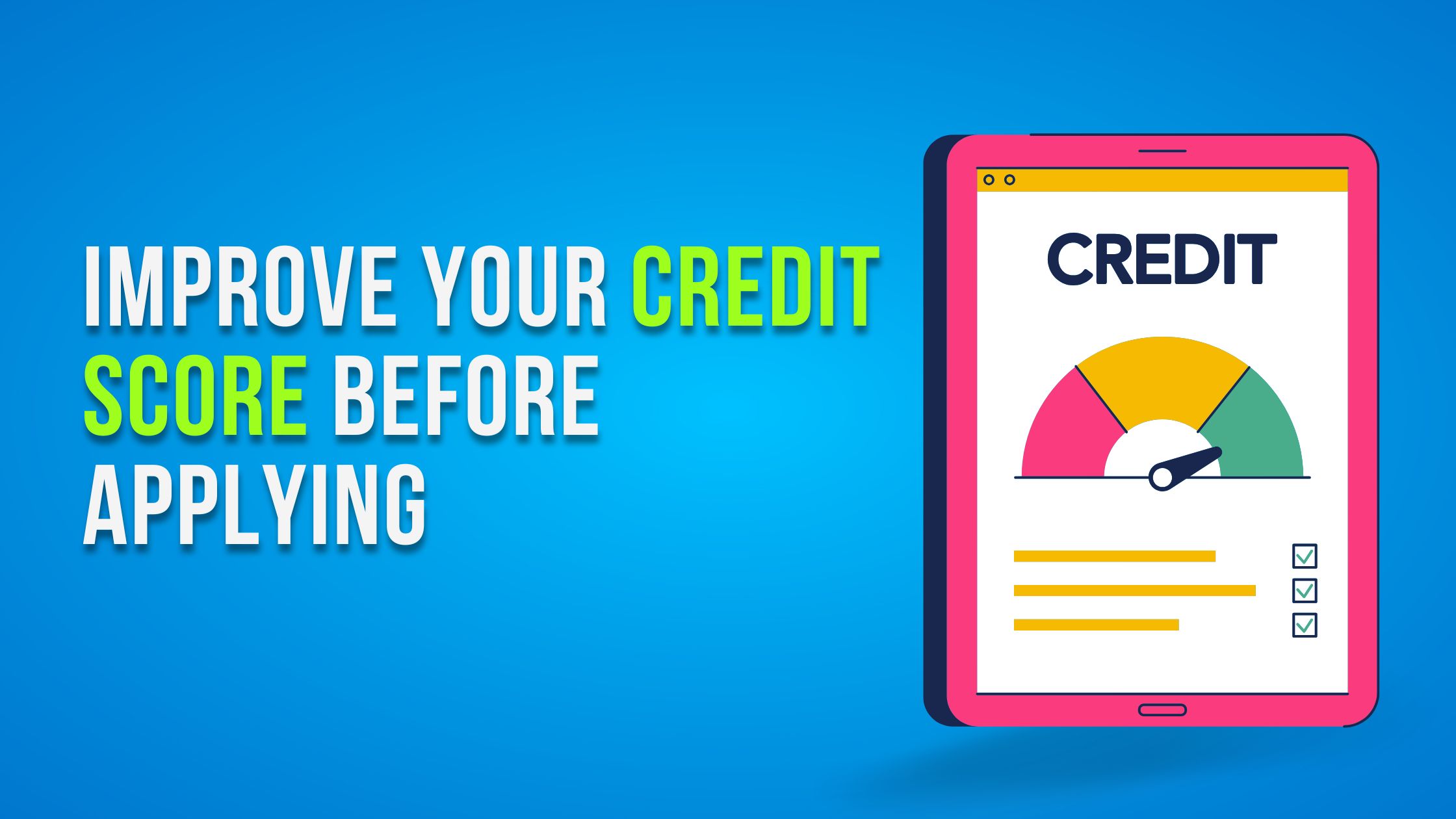
This figure indicates your level of responsibility in terms of money utilization in the past. The center of this assessment is your credit score for personal loan which contributes significantly to not only approval but also the interest rate and terms of the loan that you get. A good score can give you new financial possibilities, whereas a bad score can either restrict your choices, or raise your borrowing rates to a very high point.
Table of Contents
ToggleWhy is Credit Score Important for Loan Approval?
Your credit report is basically your report card. It informs lenders of your reliability in paying the borrowed money. A score that is higher is an indicator of discipline and low risk. A poor score is indicative of a default in payment or excessive credit usage. Knowing these elements assists you in working on areas where you will need the most.
The lenders normally consider the following:
Factor | Impact on Score | What It Means |
Payment History | High | Are you a timely payer? |
Credit Utilization | High | What is your utilization of your credit limit? |
Credit History Length | Medium | How many years have you been using credit? |
Credit Mix | Low | Are you a holder of other forms of credit? |
New Credit Inquiries | Low | What is your frequency of seeking new credit? |
Top 5 Tricks to Improve Your Credit Score
With a limited number of high-impact habits, you can easily improve your credit score. They are practical, tested, and work in case of consistency.
1. On-Time Payments
Make your payments on time and this is the basis of a good credit profile. One late payment can leave a mark on your credit report and drag your credit. Lenders are sensitive to this trend when you are planning a personal loan, and that is why nothing can be compromised when it comes to being consistent.
2. Low Utilization
Maximizing the amount of available credit may damage your score, even when you are paying on time. Strive to maintain a credit utilization of less than 30 percent of the limit. This indicates that you are not a credit card addict and can spend wisely.
3. Limited Applications
There is concern when one applies for more than one loan or credit card loan within a few months. Every application generates a hard inquiry and this reduces your score marginally. More to the point, repeated applications may be a sign of financial strains. Use when there is a need and after due research.
4. Old Accounts
The older credit accounts reinforce your financial history. They demonstrate to lenders that you have been able to handle credit in the long term. Rather than closing the accounts that are not used, maintain them with minimal use, as long as they do not have high charges attached to them.
5. Clear Dues
Unpaid debts can become a burden on your credit. Target the settlement of any pending bills and the balancing of current accounts. It is more so when you are looking at the possibilities of an Instant personal loan for low credit score, whereby the lender will check your repayment pattern keenly before granting your loan.
Common Reasons Why Your Credit Score Is Low
Understanding why your credit score is low is the first step toward improving it. The table below breaks down the most common reasons and what they actually mean for your financial profile.
Reason | What It Means | Influence on Your Score |
Payments made late or missed | Late or inconsistent payment of bills is an indicator of low discipline in paying. | Significant negative impact |
High Credit Utilization | Dependence on credit is exhibited by using a big percentage of your credit limit. | Strong negative impact |
Too Many Applications | A high number of loan or credit applications is a sign of financial stress. | Moderate negative impact |
Short Credit History | Restricted or new credit consumption offers credit providers with less information to evaluate you. | Moderate impact |
Outstanding or Defaults | The inability to pay debt is evidenced by unpaid debts or defaulted loans. | Severe negative impact |
Mistakes in Credit Report | Wrong entries, including incorrect payments or accounts. | Negative influence that is not corrected unfairly. |
How to Check Your Credit Score for Free?
Before applying for a loan, your credit score plays a crucial role in approval and interest rates. Improving it early can save money and increase approval chances.
1. Select a Trustworthy Platform
Begin by choosing a reputable credit bureau or a financial platform that would permit a free credit score check. Several platforms in India offer this service at basic levels of registration.
2. Enter Basic Details
You will be required to give your PAN number, mobile number and date of birth. This assists in the authentication of your identity and in retrieving your credit report safely.
3. Verify Your Identity
The majority of the platforms will forward an OTP to your registered mobile number. After the verification, you can immediately see your credit score and report.
4. Load up Your Full Report
Check the number not merely. Check your payment history, open accounts and balances. This is critical, especially when you are preparing your credit score for personal loan, because lenders look at the entire report and not just the score.
5. Check Without Impact
Looking at your own credit score is a soft inquiry. It will not influence your score; therefore, you can revisit it as many times as you want without any danger.
6. Monitor Regularly
It is important to check your score after every few months. Frequent checking will assist you in monitoring progress, identifying mistakes in time, and being prepared to meet credit requirements in the future.
Conclusion
Improving your credit score isn’t about chasing perfection. It’s about building habits that reflect financial discipline and awareness. Pay your bills on time, keep your credit usage in check, and avoid unnecessary applications. These actions may seem small, but together they create a strong financial foundation. A better score doesn’t just help you get approved. It gives you control over the terms of your personal loan, helping you borrow with confidence and clarity.
FAQs
Q1. What is the ideal credit score for a personal loan?
Ans. Most lenders prefer a score above 700, but approvals can still happen at lower scores depending on income and other factors.
Q2. Can I improve my credit score within a few months?
Ans. Yes, you can see improvements within 3 to 6 months if you consistently pay on time and reduce your credit usage.
Q3. Do multiple loan applications affect my credit score?
Ans. Yes, each application creates a hard inquiry, and too many can lower your score slightly.
Q4. Is it possible to get a loan with a low credit score?
Ans. Yes, but the interest rates are usually higher and terms may be stricter.
Q5. Should I close old credit accounts to improve my score?
Ans. Not necessarily. Keeping older accounts active can actually help maintain a longer credit history.



Leave a Reply